
Introduction
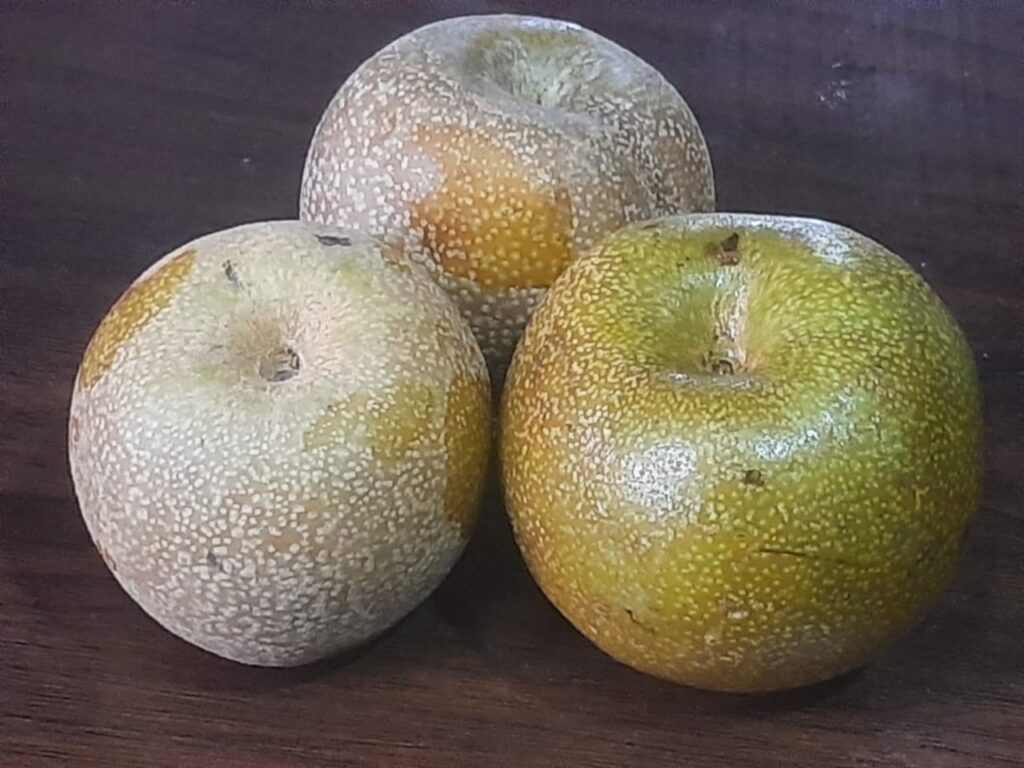
Pears are sweet, juicy fruits belonging to the Pyrus genus and are enjoyed worldwide for their refreshing taste and impressive nutrient profile. Rich in dietary fiber, vitamins, minerals, and antioxidants, pears have been associated with numerous health benefits. Their mild flavor and easy digestibility also make them suitable for children, adults, and patients with sensitive stomachs.
Description

A medium-sized pear typically contains about 100 calories, making it a nutrient-dense food. Pears are particularly high in soluble and insoluble fiber, vitamin C, vitamin K, potassium, and plant compounds like flavonoids. Their unique composition supports digestive health, boosts immunity, and promotes cardiovascular well-being. Pears also have a low glycemic index, making them safe for people with diabetes when consumed in moderation.
10 Key Health and Nutrition Benefits of Pears

- Rich Source of Fiber – Promotes healthy bowel movements and prevents constipation.
- Supports Digestive Health – Fiber feeds gut-friendly bacteria and improves microbiome balance.
- Boosts Immunity – Vitamin C strengthens immune defenses against infections.
- Heart Health – Potassium regulates blood pressure and reduces cardiovascular risk.
- Weight Management – Low-calorie and fiber-rich, pears enhance satiety and reduce overeating.
- Antioxidant Protection – Flavonoids and vitamin C protect cells from oxidative stress.
- Diabetes-Friendly – Low glycemic index helps regulate blood sugar levels.
- Hydration Support – High water content maintains hydration and skin health.
- Bone Strength – Vitamin K and boron contribute to better bone density.
- Anti-Inflammatory Benefits – Plant compounds help reduce inflammation and lower the risk of chronic diseases.
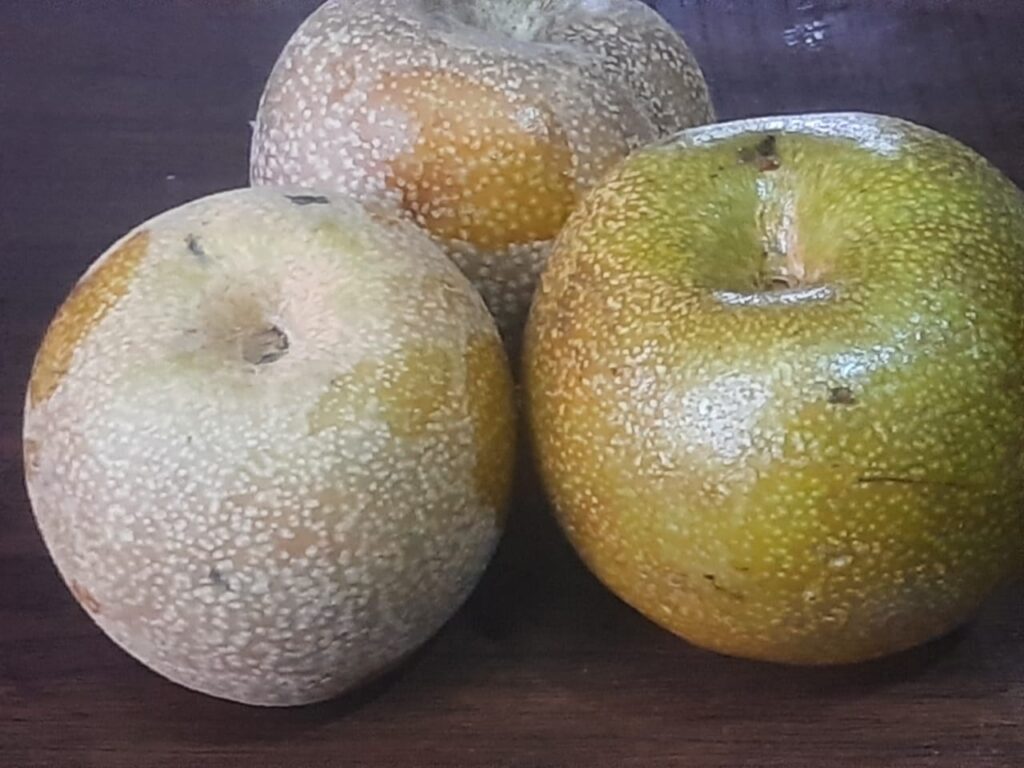
Keynotes on 10 Health and Nutrition Benefits of Pears
- Pears are best consumed fresh with their skin intact for maximum fiber and nutrient benefits.
- Suitable for all age groups, including children and the elderly.
- It can be enjoyed raw, baked, poached, or added to salads and smoothies.
- Regular consumption supports digestive, immune, and cardiovascular health.
Further Readings
- https://www.verywellfit.com/pears-nutrition-facts-calories-and-health-benefits-4114350
- https://www.usapears.org/articles/everything-there-is-to-know-about-pear-nutrition/
- https://resources.healthgrades.com/right-care/food-nutrition-and-diet/benefits-of-pears
- https://gatorcare.org/2024/12/02/food-for-thought-national-pear-month-2024/
- https://www.thepharmajournal.com/archives/2023/vol12issue5/PartAH/12-5-216-646.pdf
- https://www.usapears.org/pears-and-diabetes-2/
- https://health.clevelandclinic.org/benefits-of-pears
- https://www.usapears.org/heart-disease-and-stroke/
- https://www.stemilt.com/stem-blog/10-reasons-why-apples-pears-are-good-for-your-heart/
- https://www.usapears.org/gut-health/
- https://byroe.com/blogs/posts/everythingyouwantedtoknowaboutpearfortheskin
- 20skin.https://www.hollandandbarrett.com/the-health-hub/food-drink/the-benefits-of-eating-pears/
- https://www.stemilt.com/health-nutrition/pears-high-fiber-fruit/
- https://www.potsandpans.in/blogs/articles/pear-fruit-health-benefits-uses-and-important-facts
- https://www.realsimple.com/food-recipes/recipe-collections-favorites/popular-ingredients/pear-nutrition