
Introduction
Pani Amala (Nephrolepis cordifolia), also known as the Himalayan Ground Gooseberry, is a unique “ground fruit” found abundantly in the hilly regions of the Himalayas, including Nepal, Bhutan, and parts of Northeast India.

Unlike the common Indian Gooseberry (Amla), which grows on trees, Pani Amala consists of small, juicy, underground tubers formed on the rhizomes of a specific fern.
Introduction to Pani Amala
- Botanical Identity: It is the tuber of the fern Nephrolepis cordifolia, also known as the tuberous sword fern or Boston fern.
- Appearance & Taste: The fruit is a small, round, yellowish-brown underground tuber. It has a distinct sour and sweet flavor and is highly juicy, often used by trekkers as a source of hydration.
- Cultural Context: In Nepali, “Pani” means water, and “Amala” refers to its resemblance to gooseberries. While often considered a weed, it is a highly regarded traditional medicinal food in Himalayan communities.
Top 10 Health Benefits

- Jaundice Remedy: Traditionally, powder made from dried tubers, roots, and leaves mixed with water and sugar is used to treat jaundice patients.
- Liver Health: It is widely used to treat various liver-related ailments and is believed to enhance liver function.
- Blood Sugar Management: Fresh consumption of the tubers helps maintain and regulate blood sugar levels.
- Digestive Aid: Its sour and sweet profile stimulates the appetite and aids in overall digestion.
- Natural Hydration: The tubers are often referred to as “mineral water” because of their high water content, providing essential hydration in hilly terrains.
- Rich in Vitamin C: Like its tree-growing namesake, it is a dense source of Vitamin C, which supports immune function and collagen production.
- Anti-Aging Properties: High in antioxidants, it helps protect cells from free radical damage that causes premature aging.
- Pancreatic Support: It is traditionally believed to be beneficial for the health of the pancreas.
- Air Toxin Removal: The plant itself is known to help remove household air toxins like formaldehyde and xylene.
- Nutrient Absorption: Its natural acidity can help the body better absorb other essential minerals from the diet.
Keynotes
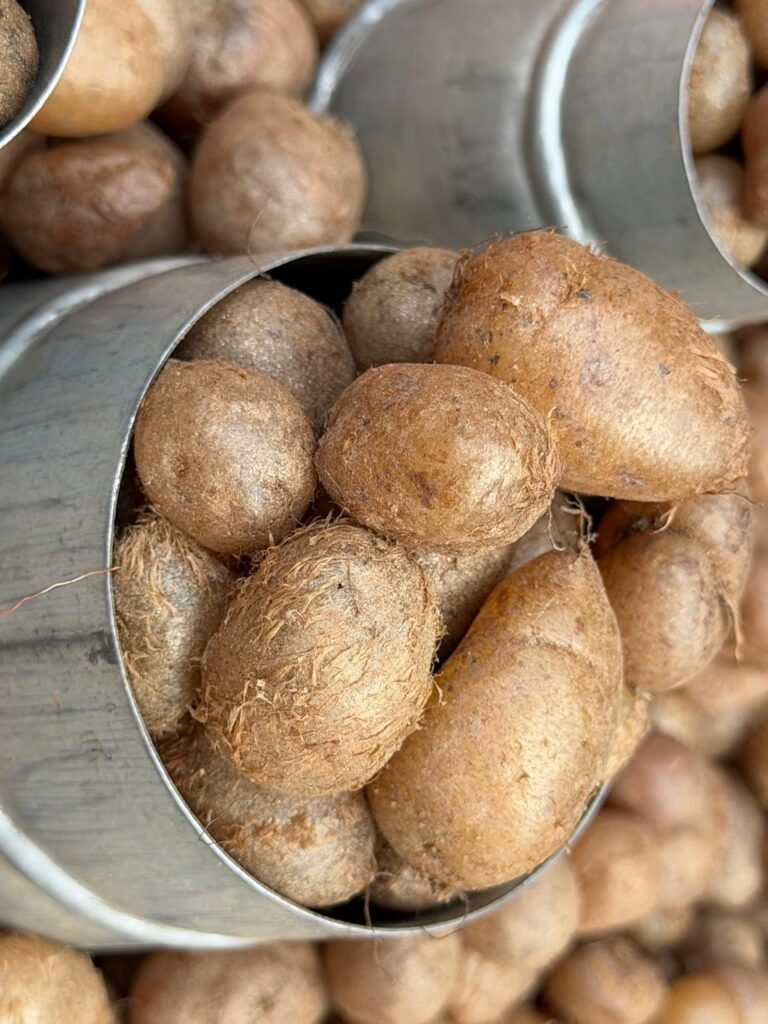
- Harvesting: The tubers are collected from the soil near the roots of the fern.
- Economic Value: In places like Sikkim, it is called “Green Gold” because the foliage is in high demand for decorative use by florists, providing a significant income source for locals.
- Form of Use: It can be eaten fresh, or the dried parts can be ground into a medicinal powder.
- Safety Note: While generally safe, those on diabetes medication should monitor their levels as the fruit may further lower blood sugar
Further Readings
- https://tunza.eco-generation.org/worldReportView.jsp?viewID=50208
- https://www.webmd.com/diet/health-benefits-amla
- https://commons.wikimedia.org/wiki/File:Himalayan_Ground_Gooseberry.jpg
- https://www.researchgate.net/publication/365488396_Himalayan_ground_Gooseberry-_its_foliage_a_potential_harbour_for_the_local_florist_of_Sikkim
- https://junglemahalresort.com/pani-amla/
- https://www.jinfiniti.com/indian-gooseberry-benefits/?srsltid=AfmBOoqlI2yXBvFt_k7VyHnE3TCzgmHWX5wQKqAERR3__89xrNZdqw6l
- https://www.shutterstock.com/search/amala-fruit
- https://www.healthline.com/nutrition/indian-gooseberry