
Introduction, and List for Top 10 Fashion Designers
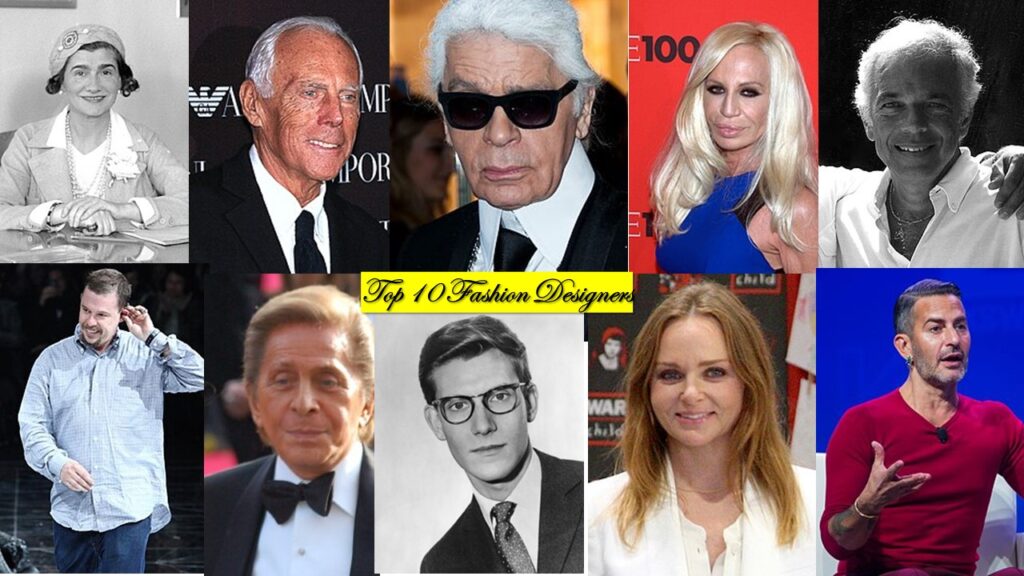
As of last update in September 2021, the list of top fashion designers was subjective and could change over time due to the ever-evolving nature of the fashion industry. However, here are ten influential fashion designers who have made a significant impact on the industry up to that point:
- Coco Chanel – Iconic French designer known for revolutionizing women’s fashion with her timeless designs and Chanel brand.
- Giorgio Armani – Renowned Italian designer famous for his clean, tailored lines and sophisticated style.
- Karl Lagerfeld – Legendary German fashion designer who served as creative director for Chanel and Fendi until his passing in 2019.
- Donatella Versace – Italian fashion designer and vice president of the Versace Group, known for her bold and glamorous designs.
- Ralph Lauren – American fashion designer known for his classic American style and Polo Ralph Lauren brand.
- Alexander McQueen – British designer known for his innovative and avant-garde designs that pushed the boundaries of fashion.
- Valentino Garavani – Italian designer famous for his luxurious and elegant haute couture creations.
- Yves Saint Laurent – Pioneering French designer who revolutionized women’s fashion with his modern and iconic styles.
- Stella McCartney – British fashion designer known for her sustainable and ethical approach to fashion.
- Marc Jacobs – American fashion designer and the former creative director of Louis Vuitton, celebrated for his unique and eclectic designs.
Please keep in mind that fashion trends and the status of designers can change rapidly in the industry, so the list might have evolved since my last update. I recommend checking more recent sources to find the most up-to-date information.
Short Information, and Wiki Links of Top 10 Fashion Designers
Coco Chanel
Coco Chanel, born Gabrielle Bonheur Chanel on August 19, 1883, in Saumur, France, was a pioneering fashion designer and one of the most influential figures in the history of fashion. She is the founder of the iconic Chanel brand and is renowned for revolutionizing women’s fashion in the early 20th century.
Here are some key points about Coco Chanel’s life and impact on the fashion industry:
- Early Life: Coco Chanel grew up in a humble background, spending her early years in an orphanage after her mother’s death. She learned sewing during her time there, which laid the foundation for her later career in fashion.
- Breakthrough Designs: In the 1910s, Chanel gained popularity with her innovative and practical designs that broke away from the restrictive and elaborate fashion of the time. She introduced comfortable and stylish clothing for women, such as suits, little black dresses, and jersey garments, which were previously reserved for men’s sportswear.
- Chanel No. 5: In 1921, Chanel launched her iconic fragrance, Chanel No. 5, which became one of the most famous and enduring perfumes in history.
- The Little Black Dress: Chanel is credited with popularizing the “little black dress,” a simple and elegant black evening dress that became a staple in women’s wardrobes.
- The Chanel Suit: Chanel’s tweed suit, characterized by its boxy jacket and straight skirt, became an iconic symbol of elegance and sophistication.
- The Chanel Logo: The interlocking C’s of the Chanel logo have become synonymous with luxury and are instantly recognizable worldwide.
- Haute Couture and Ready-to-Wear: Chanel was one of the first designers to bridge the gap between haute couture and ready-to-wear fashion, making her designs accessible to a broader audience.
- Legacy: Even after her passing in 1971, Coco Chanel’s legacy lives on through her brand, which continues to be one of the most prestigious and influential fashion houses in the world.
Coco Chanel’s contributions to the fashion industry continue to be celebrated and admired, and her influence can be seen in modern fashion to this day.
Giorgio Armani
Giorgio Armani, born on July 11, 1934, in Piacenza, Italy, is a world-renowned fashion designer and one of the most influential figures in the fashion industry. He is the founder and chairman of the Armani Group, which includes several high-end fashion brands under its umbrella.
Here are some key points about Giorgio Armani’s life and impact on the fashion world:
- Early Career: Armani began his career in the fashion industry in the 1950s, working as a window dresser and later as a fashion designer for a men’s clothing company called Nino Cerruti.
- Founding Armani: In 1975, Giorgio Armani launched his eponymous fashion label, “Giorgio Armani.” He introduced a new style characterized by clean lines, relaxed tailoring, and luxurious fabrics, which became known as “power dressing” or “soft tailoring.”
- Unstructured Jackets: Armani was a pioneer in popularizing unstructured, deconstructed jackets, which offered a more comfortable and relaxed alternative to traditional, heavily padded men’s suits.
- Women’s Fashion: In the 1980s, Armani expanded his brand to include women’s wear, incorporating the same principles of understated elegance and sophisticated simplicity into his women’s designs.
- Red Carpet Influence: Armani’s designs quickly gained popularity among celebrities and became a staple on the red carpet. His creations were frequently worn by Hollywood stars and prominent figures at high-profile events.
- Armani Privé: In addition to his ready-to-wear lines, Giorgio Armani established the haute couture line “Armani Privé” to cater to a more exclusive clientele with one-of-a-kind creations.
- Diversification: The Armani brand has diversified into various categories, including accessories, fragrances, eyewear, and home decor.
- Global Expansion: The Armani brand has a strong international presence, with boutiques and stores in major cities around the world.
- Philanthropy: Beyond his fashion endeavors, Giorgio Armani has been involved in philanthropy, supporting various charitable causes, especially those related to healthcare, children’s welfare, and environmental sustainability.
Giorgio Armani’s designs are celebrated for their timeless elegance, versatility, and impeccable craftsmanship. He has had a profound impact on modern fashion, redefining the notion of luxury by emphasizing comfort, minimalism, and sophistication. His influence on the fashion industry remains significant, and his brand continues to be synonymous with high-quality, refined fashion worldwide.
Karl Lagerfeld
Karl Lagerfeld, born on September 10, 1933, in Hamburg, Germany, was a prolific and iconic fashion designer known for his creative genius, prolific career, and distinctive personal style. He was one of the most influential figures in the fashion industry until his passing in February 2019.
Here are some key points about Karl Lagerfeld’s life and impact on the fashion world:
- Early Career: Lagerfeld started his fashion career in the 1950s, working as an assistant to Pierre Balmain. He later worked for other fashion houses, including Jean Patou and Chloé, before establishing himself as a freelance designer.
- Creative Director of Chanel: Lagerfeld’s most significant and enduring role was as the creative director of Chanel, a position he held from 1983 until his passing. He was credited with rejuvenating and modernizing the Chanel brand, elevating it to the pinnacle of luxury fashion.
- Fendi: Lagerfeld was also the creative director of the Italian luxury fashion house Fendi for over five decades, where he made significant contributions to the brand’s success.
- Personal Style: Known for his striking personal style, Lagerfeld was easily recognizable by his white powdered ponytail, dark sunglasses, fingerless gloves, and high-collared shirts. His unique appearance made him an instantly recognizable figure in the fashion world.
- Multifaceted Talent: In addition to his work as a designer, Lagerfeld was a talented photographer and artist. He frequently shot fashion campaigns and editorials and had a passion for sketching and drawing.
- Designer for his Own Label: Lagerfeld also had his own eponymous label, where he showcased his distinctive and innovative designs.
- Collaboration and Influence: Lagerfeld collaborated with various brands and artists throughout his career, extending his influence beyond the fashion industry. He also had a significant impact on the fashion landscape by nurturing and promoting young designers.
- Forward-Thinking: Lagerfeld was known for his forward-thinking approach to fashion, embracing technology and social media to connect with younger audiences and keep the brands he worked for relevant in the digital age.
Karl Lagerfeld’s immense talent, creativity, and visionary approach to fashion earned him numerous accolades and awards throughout his career. He left an indelible mark on the fashion industry and is remembered as one of the most influential and iconic designers of his time.
Donatella Versace
Donatella Versace, born on May 2, 1955, in Reggio Calabria, Italy, is a prominent fashion designer and businesswoman. She is best known for her role as the Vice President and Chief Designer of Versace, the luxury Italian fashion house founded by her late brother, Gianni Versace. Donatella played a crucial role in continuing the legacy of the Versace brand and establishing herself as a significant figure in the fashion industry.
Here are some key points about Donatella Versace’s life and contributions to the fashion world:
- Early Involvement in Versace: Donatella was actively involved in the Versace brand from its inception in 1978. She worked closely with her brother, Gianni Versace, and played a pivotal role in the company’s growth and success.
- Design Leadership: After the tragic death of Gianni Versace in 1997, Donatella assumed the role of Chief Designer and Vice President of Versace. She took over the creative direction of the brand, continuing to create bold, glamorous, and daring designs that embody the essence of Versace.
- Iconic Versace Styles: Donatella is known for her contributions to iconic Versace elements, such as the bold use of prints, Medusa head logo, and the concept of “more is more” in terms of luxury and opulence.
- Celebrity Influence: Under Donatella’s leadership, Versace continued to be a favorite among celebrities and Hollywood stars. The brand’s glamorous red carpet gowns and provocative designs made it a go-to choice for high-profile events.
- Expansion and Diversification: Donatella oversaw the expansion of the Versace brand into various product lines, including accessories, fragrances, home decor, and luxury hotels. Her business acumen played a significant role in the company’s growth and global success.
- Collaboration: Donatella collaborated with several artists, designers, and celebrities over the years, bridging the worlds of fashion, art, and entertainment. These collaborations helped maintain Versace’s relevance and appeal to younger audiences.
- Personal Style: Donatella is recognized for her distinctive personal style, characterized by her platinum blonde hair, bold makeup, and glamorous fashion choices. Her unique image became an essential part of the Versace brand identity.
- Philanthropy: In addition to her work in the fashion industry, Donatella is involved in philanthropic efforts, supporting causes related to AIDS research and awareness, as well as other charitable initiatives.
Donatella Versace’s creative vision and business leadership have been instrumental in maintaining Versace’s status as a luxury fashion powerhouse. Her influence on the fashion industry and popular culture continues to be profound, making her one of the most recognizable and respected figures in the world of fashion.
Ralph Lauren
Ralph Lauren, born Ralph Lifshitz on October 14, 1939, in the Bronx, New York, is a renowned American fashion designer and business magnate. He is the founder and namesake of the Ralph Lauren Corporation, a global luxury lifestyle brand known for its classic American style and high-quality products.
Here are some key points about Ralph Lauren’s life and impact on the fashion industry:
- Early Career: Ralph Lauren began his career in the fashion industry working as a tie salesman. He later ventured into designing neckties under his own brand, “Polo,” which laid the foundation for his future success.
- Polo Ralph Lauren: In 1967, Lauren introduced the Polo Ralph Lauren brand, initially focusing on men’s ties and later expanding into clothing and accessories. The brand’s iconic polo player logo became synonymous with preppy, elegant, and aspirational fashion.
- The Preppy Look: Ralph Lauren’s designs are often associated with the “preppy” style, featuring classic and timeless pieces inspired by the lifestyles of the affluent East Coast elite. He popularized elements like polo shirts, Oxford shirts, chinos, and blazers, creating a distinctive American aesthetic.
- Lifestyle Brand: Under Ralph Lauren’s leadership, the brand evolved into a global lifestyle empire, encompassing clothing, accessories, fragrances, home goods, and more. The company’s diverse product lines cater to various demographics and price points.
- Retail Success: Ralph Lauren’s retail stores, with their signature upscale and sophisticated interiors, became a significant part of the brand’s success, creating a cohesive shopping experience for customers.
- Cultural Influence: Ralph Lauren’s designs have had a profound influence on American fashion and culture, with his brand representing a vision of aspirational and sophisticated living.
- Global Reach: The Ralph Lauren brand has a strong international presence, with stores and boutiques in major cities worldwide. It has become a symbol of luxury and elegance recognized around the globe.
- Philanthropy: In addition to his fashion endeavors, Ralph Lauren is known for his philanthropy work. He established the Ralph Lauren Corporation Foundation, which supports various charitable causes, including cancer research, education, and community development.
Ralph Lauren’s career has been marked by his ability to create a lifestyle brand that embodies the American dream and resonates with consumers of all ages. He remains an influential figure in the fashion industry and continues to shape the way the world views and consumes luxury fashion.
Alexander McQueen
Alexander McQueen, born Lee Alexander McQueen on March 17, 1969, in London, England, was a visionary British fashion designer known for his provocative and innovative designs. He was one of the most influential figures in the fashion world until his untimely death in 2010.
Here are some key points about Alexander McQueen’s life and impact on the fashion industry:
- Early Career: McQueen showed an early interest in fashion, and after leaving school at 16, he started an apprenticeship on Savile Row, known for its bespoke tailoring. This experience honed his skills in craftsmanship and tailoring, which would later become prominent features of his designs.
- Launch of Alexander McQueen Brand: In 1992, McQueen launched his eponymous brand, Alexander McQueen, and quickly gained attention for his boundary-pushing designs and runway shows.
- Shock and Theatre: McQueen’s runway shows were legendary for their theatricality and shock value. He used dramatic storytelling and elaborate sets to create immersive experiences that left a lasting impression on audiences.
- Avant-Garde Designs: McQueen was celebrated for his avant-garde, unconventional, and often controversial designs. He was a master at blending art, history, and culture into his collections, challenging traditional notions of beauty and fashion.
- Tailored Silhouettes and Couture Techniques: Despite his experimental designs, McQueen was also skilled in traditional tailoring and couture techniques. His garments showcased a combination of precise craftsmanship and artistic flair.
- Iconic Collections: Some of McQueen’s most memorable collections include “Highland Rape” (1995), “The Birds” (2001), and “Plato’s Atlantis” (2010). Each collection made a powerful statement and added to his reputation as a fashion provocateur.
- Awards and Recognition: Throughout his career, McQueen received numerous awards and accolades, including the British Designer of the Year Award four times.
- Legacy: McQueen’s tragic death in 2010 shocked the fashion world. His brand continues to thrive under the creative direction of Sarah Burton, who worked closely with McQueen and has been dedicated to preserving his legacy.
- Influence on Contemporary Fashion: McQueen’s influence can be seen in the work of many contemporary designers who have been inspired by his fearlessness, creativity, and artistic approach to fashion.
Alexander McQueen’s contributions to the fashion industry are widely recognized and continue to be celebrated. He left a lasting impact, not only on the world of fashion but also on the way designers approach storytelling, craftsmanship, and pushing the boundaries of what is possible in the realm of clothing and runway presentations.
Valentino Garavani
Valentino Garavani, known professionally as Valentino, is an Italian fashion designer born on May 11, 1932, in Voghera, Italy. He is renowned for his luxurious and glamorous designs, often characterized by bold colors, elaborate embroideries, and intricate details. Valentino is one of the most prominent figures in the fashion industry and has left an indelible mark on haute couture and ready-to-wear fashion.
Here are some key points about Valentino Garavani’s life and impact on the fashion world:
- Early Career: Valentino developed an interest in fashion from a young age and moved to Paris in his late teens to pursue his passion. He trained at the École des Beaux-Arts and the Chambre Syndicale de la Couture Parisienne, gaining valuable experience in fashion design and couture techniques.
- Founding Valentino: In 1960, Valentino returned to Italy and founded his own fashion house, “Valentino.” His debut collection in Florence garnered critical acclaim and established him as a rising star in the fashion world.
- Signature Red: Valentino’s signature color became “Valentino Red,” a vibrant and rich hue that became synonymous with his brand and has been featured prominently in many of his designs.
- Haute Couture: Valentino’s haute couture creations are renowned for their exquisite craftsmanship and attention to detail. His designs catered to an elite clientele and were sought after by royalty, celebrities, and high society.
- Timeless Elegance: Throughout his career, Valentino’s designs have been known for their timeless elegance and sophistication. His glamorous evening gowns and cocktail dresses have been worn by numerous celebrities on red carpets and at prestigious events.
- The Valentino Garavani Virtual Museum: In 2011, Valentino launched the Valentino Garavani Virtual Museum, a digital platform showcasing his iconic designs and career milestones.
- Retirement and Legacy: In 2008, Valentino announced his retirement from his eponymous brand. However, the brand continued under new creative directors. Maria Grazia Chiuri and Pierpaolo Piccioli, who worked with Valentino, upheld his legacy and continued the brand’s success.
- Honors and Awards: Valentino has received numerous accolades and honors throughout his career, including the French Legion of Honour and a Lifetime Achievement Award from the Council of Fashion Designers of America (CFDA).
Valentino Garavani’s contributions to the fashion industry have been profound, and his brand remains a symbol of timeless luxury and elegance. His designs continue to inspire designers and fashion enthusiasts alike, cementing his status as one of the most influential and celebrated designers in fashion history.
Yves Saint Laurent
Yves Saint Laurent, born on August 1, 1936, in Oran, Algeria, was a pioneering French fashion designer who revolutionized women’s fashion in the 20th century. He is regarded as one of the most influential and iconic designers in the history of the fashion industry.
Here are some key points about Yves Saint Laurent’s life and impact on the fashion world:
- Early Career: Yves Saint Laurent showed an early interest in fashion and moved to Paris at the age of 17 to pursue a career in design. He studied at the Chambre Syndicale de la Haute Couture and won a fashion design competition, which led to an introduction to Christian Dior.
- Creative Director at Dior: At the young age of 21, Yves Saint Laurent became the creative director of Christian Dior’s couture house after Dior’s sudden death in 1957. He gained widespread acclaim for his first collection for Dior, the “Trapeze” collection, which featured a more youthful and modern approach to fashion.
- Founding YSL: In 1961, Yves Saint Laurent founded his own fashion house, Yves Saint Laurent (YSL), along with his partner Pierre Bergé. The brand’s debut collection in 1962 presented the iconic “le smoking” tuxedo for women, challenging gender norms and revolutionizing women’s fashion.
- Revolutionizing Fashion: Yves Saint Laurent is credited with several groundbreaking contributions to fashion, including popularizing ready-to-wear clothing, introducing the concept of luxury prêt-à-porter, and creating the first high-end ready-to-wear boutique, Rive Gauche.
- Iconic Designs: Yves Saint Laurent’s designs were known for their elegance, clean lines, and use of luxurious fabrics. Some of his most iconic creations include the “Mondrian” shift dress, the safari jacket, and the “pea coat.”
- Pioneer of Women’s Trousers: YSL played a crucial role in popularizing women’s trousers as stylish and acceptable attire. He introduced pantsuits for women, giving them a sense of empowerment and liberation in their fashion choices.
- Impact on Pop Culture: Yves Saint Laurent’s designs often drew inspiration from art, music, and popular culture. His creations reflected the zeitgeist of the time and became an integral part of the fashion of the 1960s and 1970s.
- Legacy: Yves Saint Laurent’s influence on fashion extended beyond his lifetime. His brand continues to thrive under various creative directors who have maintained his legacy and artistic vision.
Yves Saint Laurent’s artistic genius and innovative approach to fashion have had a lasting impact on the industry, shaping the way women dress and challenging societal norms. His legacy remains a significant part of the fashion world, and his designs continue to inspire designers and fashion enthusiasts around the globe.
Stella McCartney
Stella McCartney is a British fashion designer known for her commitment to sustainability, ethical fashion practices, and her eponymous luxury fashion brand. Born on September 13, 1971, in London, England, Stella McCartney has emerged as a prominent figure in the fashion industry, recognized for her unique designs that combine elegance and modernity with a strong emphasis on sustainability.
Here are some key points about Stella McCartney and her impact on the fashion world:
- Early Career: Stella McCartney is the daughter of Sir Paul McCartney, a member of the legendary music band The Beatles. Despite having a famous father, she pursued her own path in the fashion industry, studying fashion design at Central Saint Martins in London.
- Chloé: In 1997, Stella McCartney was appointed the Creative Director of the French fashion house Chloé, where she gained recognition for her feminine and whimsical designs. Her tenure at Chloé marked the beginning of her career as a leading fashion designer.
- The Launch of Stella McCartney: In 2001, Stella McCartney launched her own luxury fashion brand, “Stella McCartney.” The brand is renowned for its commitment to animal welfare and sustainable and eco-friendly practices.
- Ethical and Sustainable Fashion: Stella McCartney is a trailblazer in the fashion industry for her dedication to ethical and sustainable fashion. She refuses to use leather, fur, or exotic skins in her collections, opting for cruelty-free alternatives.
- Iconic Designs: Stella McCartney’s designs are known for their clean lines, minimalism, and effortless chic. She has created iconic pieces, such as the Falabella bag and the Stella McCartney Adidas collaboration.
- The Stella McCartney Adidas Collaboration: Stella McCartney partnered with Adidas to create a successful line of sportswear that combined fashion with functionality, promoting a more sustainable approach to athletic wear.
- Commitment to Sustainability: Stella McCartney has been at the forefront of promoting sustainability in the fashion industry. Her brand uses organic and sustainable materials, advocates for responsible sourcing, and implements eco-friendly production methods.
- Celebrity Endorsement: Stella McCartney’s designs have been embraced by numerous celebrities, making her brand a favorite on red carpets and at high-profile events.
- Awards and Recognition: Stella McCartney has received numerous awards and accolades for her contributions to sustainable fashion, including being named Designer of the Year at the British Fashion Awards.
Stella McCartney’s unwavering commitment to ethical and sustainable fashion has made her a pioneer in the industry. Her brand continues to set an example for the fashion world, demonstrating that luxury and style can coexist with responsible and compassionate practices.
Marc Jacobs
Marc Jacobs is an American fashion designer born on April 9, 1963, in New York City. He is one of the most influential and celebrated designers in the fashion industry, known for his creativity, innovative designs, and his eponymous luxury fashion brand.
Here are some key points about Marc Jacobs and his impact on the fashion world:
- Early Career: Marc Jacobs studied at the Parsons School of Design in New York City and gained attention for his graduate collection, which caught the eye of influential fashion figures like designer Perry Ellis.
- Perry Ellis: In 1986, Jacobs was appointed as the Vice President of Women’s Design at Perry Ellis, where he received recognition for his grunge-inspired collection. However, his collection was considered controversial and led to his dismissal from the brand.
- Founding the Marc Jacobs Brand: In 1984, Jacobs co-founded his own fashion label, “Marc Jacobs.” The brand started as a small collection of hand-knit sweaters and quickly grew to include ready-to-wear clothing, accessories, and fragrances.
- The Grunge Collection: In 1993, Jacobs unveiled his iconic “Grunge” collection for Perry Ellis, which became notorious for its unconventional and grunge-inspired designs. Although it was initially criticized, it later became recognized as a significant moment in fashion history.
- The Marc Jacobs Aesthetic: Marc Jacobs’ designs are known for their eclectic, playful, and often quirky aesthetic. He blends elements of vintage, streetwear, and high fashion to create unique and unexpected collections.
- The Marc by Marc Jacobs Line: In 2001, Jacobs launched the diffusion line “Marc by Marc Jacobs,” which offered more accessible and youthful designs. The line became highly popular and helped to expand his brand’s reach.
- Collaboration and Innovation: Marc Jacobs has collaborated with various artists and designers, as well as other brands, pushing the boundaries of fashion and art. He has also been an early adopter of technology, using social media and digital platforms to engage with audiences.
- Awards and Recognition: Jacobs has received numerous awards throughout his career, including multiple CFDA (Council of Fashion Designers of America) Awards for Womenswear and Menswear Designer of the Year.
- Impact on Pop Culture: Marc Jacobs’ designs have influenced and shaped pop culture. His creations are frequently seen on celebrities, and he is often credited with launching or popularizing trends that go beyond the fashion world.
Marc Jacobs’ contributions to the fashion industry have been significant, and his brand remains an influential force in contemporary fashion. His ability to merge high fashion with streetwear and his commitment to innovation have solidified his status as a fashion icon.
Keynotes on Top 10 Fashion Designers
Here are some keynotes on the top 10 fashion designers mentioned earlier:
- Coco Chanel: Iconic French designer, known for revolutionizing women’s fashion with timeless designs and founding the Chanel brand.
- Giorgio Armani: Renowned Italian designer famous for clean, tailored lines and sophisticated style in both menswear and womenswear.
- Karl Lagerfeld: Legendary German designer, former creative director of Chanel and Fendi, known for his innovative designs and creative runway shows.
- Donatella Versace: Italian fashion designer and vice president of the Versace Group, recognized for her bold and glamorous designs.
- Ralph Lauren: American designer known for his classic American style and the Polo Ralph Lauren brand, which embodies luxury and elegance.
- Alexander McQueen: British designer known for his avant-garde and innovative designs that challenged traditional fashion norms.
- Valentino Garavani: Italian designer famous for luxurious and elegant haute couture creations and the iconic Valentino Red.
- Yves Saint Laurent: French designer who revolutionized women’s fashion with modern and iconic styles, and pioneered women’s tailored suits.
- Stella McCartney: British designer committed to sustainable and ethical fashion practices, known for her chic and sophisticated designs.
- Marc Jacobs: American designer known for his eclectic and playful aesthetic, his brand’s diffusion line, and collaborations with various artists.
Each of these fashion designers has left a significant impact on the industry, with their unique styles, contributions, and visionary approach to fashion. They have shaped the way we perceive and experience fashion, making them some of the most influential and celebrated designers in the world.
Keywords on Top 10 Fashion Designers
Coco Chanel: French, Chanel, timeless, women’s fashion, luxury, classic, Little Black Dress
Giorgio Armani: Italian, clean lines, tailored, sophisticated, menswear, womenswear, luxury, Emporio Armani.
Karl Lagerfeld: German, Chanel, Fendi, creative director, avant-garde, innovative, runway shows.
Donatella Versace: Italian, Versace, bold, glamorous, luxury, Medusa logo, Versace Collection.
Ralph Lauren: American, Polo Ralph Lauren, classic American style, luxury, preppy, Polo logo.
Alexander McQueen: British, avant-garde, innovative, runway shows, edgy, dark, skull motif.
Valentino Garavani: Italian, haute couture, elegant, luxurious, Valentino Red, iconic designs.
Yves Saint Laurent: French, modern, iconic, women’s tailored suits, YSL logo, Rive Gauche.
Stella McCartney: British, sustainable, ethical, chic, sophisticated, vegan leather, Falabella bag.
Marc Jacobs: American, eclectic, playful, Marc by Marc Jacobs, collaborations, runway trends.
Further Readings for Top 10 Fashion Designers
- Coco Chanel:
- Book: “Coco Chanel: The Legend and the Life” by Justine Picardie
- Article: “Coco Chanel: A Fashion Icon” by The Fashion History Reader
- Giorgio Armani:
- Book: “Giorgio Armani” by Germano Celant
- Article: “Giorgio Armani: A Fashion Biography” by The Business of Fashion
- Karl Lagerfeld:
- Book: “The World According to Karl” by Sandrine Gulbenkian
- Article: “Karl Lagerfeld: The Fashion Visionary” by Vogue
- Donatella Versace:
- Book: “Versace” by Tim Blanks
- Article: “Donatella Versace: The Face of Versace” by The Guardian
- Ralph Lauren:
- Book: “Ralph Lauren: In His Own Fashion” by Alan Flusser
- Article: “Ralph Lauren: The American Dream” by The New York Times
- Alexander McQueen:
- Book: “Alexander McQueen: Savage Beauty” by Andrew Bolton
- Article: “Alexander McQueen: A Fashion Revolutionary” by Harper’s Bazaar
- Valentino Garavani:
- Book: “Valentino: Themes and Variations” by Pamela Golbin
- Article: “Valentino: The Last Emperor” by The New Yorker
- Yves Saint Laurent:
- Book: “Yves Saint Laurent” by Florence Müller
- Article: “Yves Saint Laurent: A Fashion Revolutionary” by The Business of Fashion
- Stella McCartney:
- Book: “Stella McCartney: A Fashion Fairytale” by Selina Lake
- Article: “Stella McCartney: Leading Sustainable Fashion” by Vogue Business
- Marc Jacobs:
- Book: “Marc Jacobs: Unseen” by Robert Fairer
- Article: “Marc Jacobs: The Fashion Iconoclast” by The New York Times