
Introduction
Areca nut, commonly known as Supari in South Asia, is the seed of the Areca palm (Areca catechu), a tropical tree native to Southeast Asia. Traditionally, it has been used for cultural, medicinal, and social purposes, particularly in India, Nepal, Sri Lanka, and Southeast Asia.
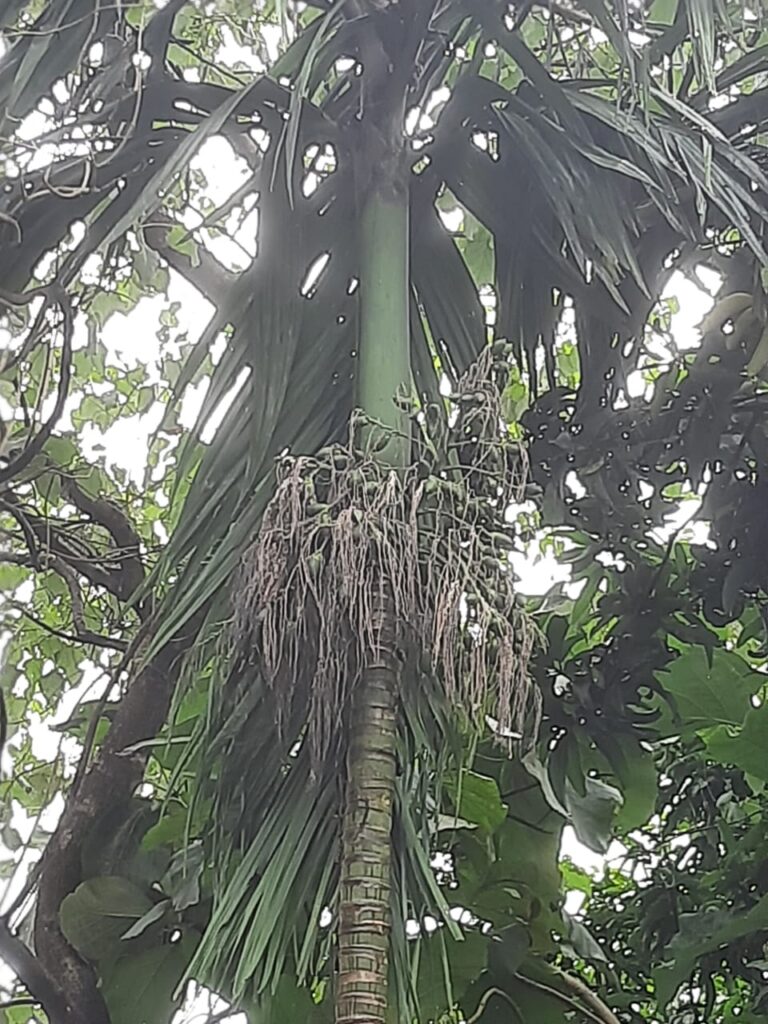
While excessive consumption is associated with health risks, in controlled and traditional forms, it has been valued in Ayurvedic and folk medicine for its digestive, energizing, and antioxidant properties.
Description
The Areca nut is a small, hard seed that is usually chewed with betel leaf (Paan) or processed into powder or slices. It contains alkaloids (arecoline and arecaidine) and polyphenols, which affect the nervous and digestive systems.
In Ayurveda, small amounts of areca nut are believed to act as a stimulant, digestive aid, and mouth freshener, and have been used in traditional formulations for intestinal worms, oral hygiene, and blood circulation.
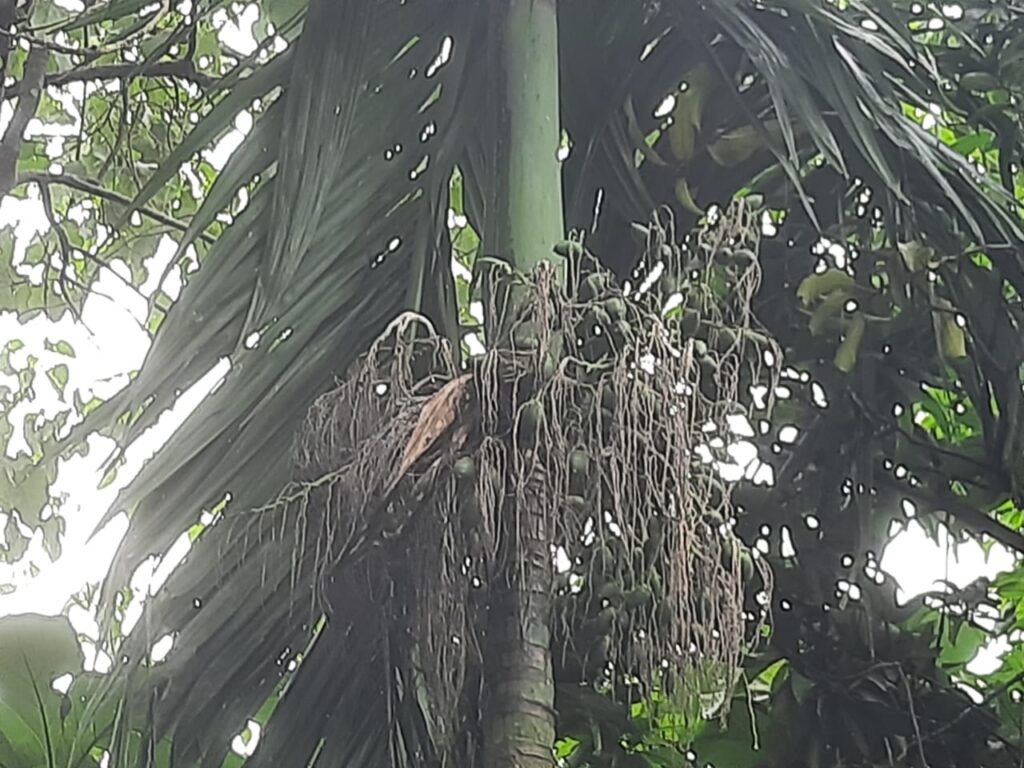
10 Health and Nutrition Benefits
- Aids Digestion: Stimulates gastric secretions and supports smooth digestion when used in small quantities.
- Acts as a Natural Stimulant: Enhances alertness, energy, and mental focus similar to mild caffeine effects.
- Improves Oral Hygiene (Traditional Use): Historically used in herbal dental powders for cleaning teeth and strengthening gums.
- Supports Antimicrobial Activity: Contains tannins and phenolics that exhibit antibacterial and antifungal properties.
- Enhances Circulation: Improves blood flow and helps in maintaining warmth in the body.
- Rich in Antioxidants: Contains polyphenolic compounds that help neutralize free radicals.
- Traditional Remedy for Intestinal Worms: Used in Ayurvedic deworming preparations.
- Boosts Metabolism: Arecoline alkaloid helps stimulate the central nervous system and metabolism.
- Used in Traditional Rituals and Social Customs: Plays an important cultural role in marriages, pujas, and festivals in South Asia.
- Natural Mouth Freshener (In Controlled Quantity): When combined with natural flavoring agents, it acts as a refreshing masticatory.
Keynotes
- Areca catechu (Supari) is a traditional stimulant and digestive aid, widely used in Ayurvedic and cultural practices.
- Contains bioactive compounds that show antioxidant and antimicrobial properties.
- Overconsumption can lead to oral and systemic health risks—should be used in moderation or therapeutic doses only.
- Plays a significant cultural and social role in South and Southeast Asia.
- Traditional medicinal preparations often include purified or detoxified areca nut forms.
Further Readings
- https://en.wikipedia.org/wiki/Areca_nut
- https://pmc.ncbi.nlm.nih.gov/articles/PMC4080659/
- https://getmymettle.com/blogs/health/betel-nuts-health-benefits
- https://www.ncbi.nlm.nih.gov/books/NBK590486/
- https://www.rjpbcs.com/pdf/2020_11(5)/[12].pdf
- https://www.icicilombard.com/blogs/health-insurance/mb/10-health-benefits-of-betel-nuts
- https://www.cureus.com/articles/162197-chemical-composition-of-areca-nut-and-its-adverse-effects-on-human-health
- https://pmc.ncbi.nlm.nih.gov/articles/PMC4312688/
- https://pharmeasy.in/blog/ayurveda-uses-benefits-and-side-effects-of-betel-nut/
- https://www.mdpi.com/1424-8247/17/2/228
- https://www.easyayurveda.com/2017/09/28/betel-nut-areca-catechu-uses/
- https://www.publichealthlawcenter.org/sites/default/files/resources/Health-Risks-Betel-Quid-and-Tobacco-2017.pdf