
Introduction for Gallery of Food
Welcome to the Food Gallery! Here you’ll find a delightful array of culinary creations, flavors, and dishes from around the world. Step inside and embark on a gastronomic adventure that will tantalize your taste buds and satisfy your cravings.

Our Food Gallery is a celebration of diverse cuisines, showcasing a rich tapestry of flavors, textures, and aromas. Whether you’re a fan of traditional comfort food, exotic delicacies, or innovative fusion dishes, there’s something for everyone here.
As you wander through the gallery, you’ll encounter vibrant displays of colorful fruits and vegetables, sizzling grilled meats, aromatic spices, and enticing desserts. Each exhibit represents a different culinary tradition, offering a glimpse into the culture and heritage of various regions.
Our knowledgeable chefs and food experts are here to guide you through the Food Gallery, sharing fascinating stories, recipes, and techniques behind the dishes. Feel free to ask questions, learn about different cooking methods, or even get involved in interactive cooking demonstrations.
Whether you’re an adventurous foodie seeking new taste experiences or simply looking for inspiration for your next meal, the Food Gallery is the perfect destination. We hope you enjoy your journey through this culinary exploration and leave with a greater appreciation for the diversity and artistry of food. Bon appétit!
List for Gallery of Food
- Chilly Momo
- Chicken Fried Rice
- Chicken Kima Noodle
- Chopsuey
- Chicken Wings
- Corndog
- Crispy Fried Chicken
- Juicy Fried Chicken
- Green Salad Dish
- Pizza
- Yellow Laphing
- Pakoda
- Dal Bhat Tarkari
- Fried Corn
- Peanut Sadeko
- French Fries
- Burger
Chilly Momo
Chilly momo is a popular variant of momo, which is a type of dumpling originally from Nepal and Tibet. Momos are typically made with a savory filling of minced meat, such as chicken, lamb, or pork, mixed with vegetables and spices, and wrapped in a thin dough.
Chilly momo is prepared by cooking the momos and then tossing them in a spicy and tangy chili sauce. The chili sauce is made with ingredients like chili peppers, garlic, ginger, soy sauce, vinegar, and other seasonings. The momos are usually served hot, and the spicy chili sauce adds a flavorful kick to the dish.
Chilly momo is often enjoyed as a snack or appetizer and can be found in Nepalese and Tibetan restaurants or street food stalls. It has gained popularity in many other parts of the world as well due to its delicious taste and unique combination of flavors.

Chicken Fried Rice
Chicken fried rice is a popular dish made with cooked rice, diced chicken, vegetables, and various seasonings. It is commonly found in many Asian cuisines, particularly Chinese cuisine. Here’s a basic recipe for making chicken fried rice:
Ingredients:
- 2 cups cooked rice (preferably chilled or day-old)
- 1 cup diced chicken breast
- 1 cup mixed vegetables (such as diced carrots, peas, corn, and bell peppers)
- 2 cloves garlic, minced
- 2 tablespoons vegetable oil
- 2 tablespoons soy sauce
- 1 tablespoon oyster sauce (optional)
- 2 eggs, beaten
- Salt and pepper to taste
- Green onions for garnish (optional)
Instructions:
- Heat 1 tablespoon of vegetable oil in a large skillet or wok over medium heat.
- Add the minced garlic and diced chicken breast to the skillet and cook until the chicken is fully cooked and lightly browned. Remove the cooked chicken from the skillet and set it aside.
- In the same skillet, add another tablespoon of vegetable oil and sauté the mixed vegetables until they are tender-crisp.
- Push the vegetables to one side of the skillet and pour the beaten eggs into the other side. Scramble the eggs until they are fully cooked.
- Add the cooked rice to the skillet and stir-fry it with the vegetables and eggs.
- Add the cooked chicken back to the skillet and mix everything together.
- Pour the soy sauce and oyster sauce (if using) over the rice and chicken mixture. Stir-fry for a couple more minutes, ensuring that everything is well-coated and heated through.
- Season with salt and pepper to taste.
- Remove from heat and garnish with chopped green onions, if desired.
- Serve hot and enjoy your homemade chicken fried rice!

Chicken Kima Noodle
Chicken Kima Noodles, also known as Chicken Keema Noodles, is a flavorful and spicy Indo-Chinese dish that combines minced chicken (keema) with noodles. Here’s a recipe to make Chicken Kima Noodles:
Ingredients:
- 200 grams noodles (such as egg noodles or any other noodles of your choice)
- 250 grams minced chicken (keema)
- 1 onion, finely chopped
- 1 green bell pepper, finely chopped
- 2 cloves garlic, minced
- 1-inch piece of ginger, grated
- 2 green chilies, finely chopped (adjust according to spice preference)
- 2 tablespoons vegetable oil
- 1 teaspoon cumin seeds
- 1 teaspoon chili powder (adjust to taste)
- 1 teaspoon turmeric powder
- 1 teaspoon garam masala
- 2 tablespoons soy sauce
- Salt to taste
- Fresh cilantro leaves, chopped for garnish
Instructions:
- Cook the noodles according to the package instructions until they are al dente. Drain and set aside.
- Heat oil in a large skillet or wok over medium heat. Add cumin seeds and let them splutter.
- Add the minced chicken (keema) to the skillet and cook until it is browned and cooked through.
- Add the chopped onions, garlic, ginger, and green chilies to the skillet. Sauté until the onions are translucent.
- Add the chopped green bell pepper and cook for a few minutes until it is slightly tender.
- Sprinkle chili powder, turmeric powder, and garam masala over the mixture. Mix well to coat the ingredients evenly.
- Pour in the soy sauce and mix again.
- Add the cooked noodles to the skillet and toss them with the chicken and vegetable mixture until everything is well combined.
- Season with salt to taste. Adjust the spices and seasonings according to your preference.
- Cook for a few more minutes, stirring continuously, to let the flavors meld together.
- Remove from heat and garnish with fresh cilantro leaves.
- Serve hot and enjoy your delicious Chicken Kima Noodles!

Chopsuey
Chopsuey is a popular Chinese stir-fry dish that typically consists of a variety of vegetables cooked in a savory sauce. It can be made with different combinations of vegetables, meat, and seafood. Here’s a basic recipe for making vegetable chopsuey:

Ingredients:
- 2 tablespoons vegetable oil
- 2 cloves garlic, minced
- 1 onion, thinly sliced
- 1 cup sliced carrots
- 1 cup sliced bell peppers (assorted colors)
- 1 cup sliced cabbage
- 1 cup sliced mushrooms
- 1 cup sliced snow peas or sugar snap peas
- 1 cup bean sprouts
- 2 tablespoons soy sauce
- 1 tablespoon oyster sauce
- 1 teaspoon cornstarch, dissolved in 2 tablespoons water
- Salt and pepper to taste
- Cooked rice or noodles, for serving (optional)
Instructions:
- Heat the vegetable oil in a large skillet or wok over medium heat.
- Add the minced garlic and sliced onion to the skillet. Sauté until the onion becomes translucent.
- Add the sliced carrots, bell peppers, cabbage, mushrooms, snow peas, and bean sprouts to the skillet. Stir-fry the vegetables for a few minutes until they are slightly tender but still crisp.
- In a small bowl, mix together the soy sauce and oyster sauce. Pour the sauce mixture over the vegetables in the skillet and toss to coat them evenly.
- Cook for another couple of minutes until the vegetables are cooked to your desired level of doneness.
- Stir the cornstarch-water mixture to make sure the cornstarch is fully dissolved, and then pour it into the skillet. This will help thicken the sauce.
- Stir everything together until the sauce thickens and coats the vegetables. Season with salt and pepper to taste.
- Remove from heat and transfer the chopsuey to a serving dish.
- Serve hot as a side dish or over cooked rice or noodles, if desired.

Chicken Wings
Chicken wings are a popular food item made from the wings of chickens. They are often served as appetizers or snacks, and can be found on the menus of many restaurants and bars.
Chicken wings are typically seasoned with various spices and sauces before being cooked. They can be prepared in several ways, including baking, grilling, frying, or even air frying. The most common method of cooking chicken wings is deep-frying, which results in a crispy exterior and tender meat.

There are different styles of chicken wings that have become popular around the world. The most well-known style is Buffalo wings, which originated in Buffalo, New York. Buffalo wings are typically coated in a spicy sauce made from a combination of hot sauce and butter, and they are often served with celery sticks and blue cheese dressing.
Other popular styles of chicken wings include barbecue wings, teriyaki wings, honey mustard wings, and garlic parmesan wings, among others. These styles often involve different marinades or sauces that add unique flavors to the wings.

Chicken wings are often enjoyed with dipping sauces, such as ranch dressing, blue cheese dressing, or barbecue sauce. They are also sometimes served with side dishes like french fries, coleslaw, or cornbread.
Corndog
A corndog is a popular American food item consisting of a hot dog sausage that is coated in a thick layer of cornmeal batter and deep-fried until golden brown. The result is a crispy, cornbread-like exterior with a juicy and flavorful hot dog on the inside.
To make a corndog, a wooden stick or skewer is typically inserted into the end of the hot dog before dipping it into the cornmeal batter. The batter can be made with a mixture of cornmeal, flour, milk or buttermilk, eggs, and seasonings. The coated hot dog is then deep-fried until the batter is cooked and the corndog becomes crispy.

Corndogs are often enjoyed as a convenient and portable snack at fairs, carnivals, and sporting events. They are typically served with ketchup and mustard for dipping, and some people may also enjoy them with other condiments like mayonnaise or barbecue sauce.

While the classic corndog consists of a plain hot dog coated in cornmeal batter, there are variations available. Some corndogs may have cheese added to the batter or have different types of sausages or fillings inside. These variations offer additional flavors and textures to the traditional corndog.

Corndogs are a nostalgic and fun food that is loved by many for its combination of savory hot dog and crispy cornbread coating. They are often enjoyed as a tasty treat on special occasions or as a quick and satisfying snack.
Crispy Fried Chicken
Crispy fried chicken is a popular dish made by coating chicken pieces with a seasoned breading or batter and then deep-frying them until they are golden brown and crispy on the outside. It is known for its flavorful and crunchy texture.
To make crispy fried chicken, chicken pieces such as drumsticks, wings, thighs, or breast meat are typically used. The chicken is first seasoned with a mixture of salt, pepper, and other spices according to personal preference. Then, the chicken is coated in a breading mixture or batter.
The breading mixture for crispy fried chicken usually consists of flour, breadcrumbs, or a combination of both. It may also include additional seasonings such as garlic powder, paprika, cayenne pepper, or herbs for added flavor. The chicken pieces are coated in the breading mixture, ensuring that they are fully covered.
Alternatively, a batter can be made by combining flour, cornstarch, baking powder, and various seasonings with buttermilk, milk, or a mixture of water and eggs. The chicken is dipped in the batter to form a smooth coating before frying.
Once the chicken is coated, it is deep-fried in hot oil until it is cooked through and the breading or batter turns golden and crispy. The cooking time will vary depending on the size and thickness of the chicken pieces. It is important to ensure that the chicken is fully cooked to an internal temperature of 165°F (74°C) to ensure food safety.

After frying, the crispy fried chicken is usually drained on a paper towel to remove any excess oil. It can be served hot as a main dish, often accompanied by side dishes such as mashed potatoes, coleslaw, biscuits, or cornbread.
Crispy fried chicken is enjoyed worldwide and has variations in different cuisines. It is a popular comfort food known for its delicious combination of tender chicken and crispy coating.
Juicy Fried Chicken
Juicy fried chicken is a mouthwatering dish that features crispy, golden-brown chicken with tender and flavorful meat inside. It is a popular comfort food enjoyed around the world.
To make juicy fried chicken, chicken pieces, such as drumsticks, thighs, or breasts, are typically marinated to enhance the flavor and tenderness. The marinade can vary, but it often includes a mixture of buttermilk or yogurt, spices, herbs, and sometimes hot sauce or garlic for added kick. The chicken is usually left to marinate for a few hours or overnight in the refrigerator.
After marinating, the chicken is coated in a seasoned flour or breadcrumb mixture to create a crispy outer layer. The coating usually includes a combination of flour, salt, pepper, paprika, garlic powder, and other preferred spices. The chicken pieces are thoroughly coated in the mixture, ensuring even coverage.
To fry the chicken, a deep pot or skillet is filled with oil, such as vegetable or canola oil, and heated to the appropriate temperature, typically around 350°F (175°C). The chicken pieces are carefully added to the hot oil, taking care not to overcrowd the pan, which can lower the oil temperature and affect the crispiness of the chicken. The chicken is fried until it turns a golden brown color and reaches an internal temperature of 165°F (74°C), ensuring it is fully cooked.
Once cooked, the juicy fried chicken is removed from the oil and placed on a wire rack or paper towels to drain excess oil. This helps to maintain the crispiness of the coating. The chicken is then ready to be served and enjoyed while still hot and juicy.

Juicy fried chicken is often served as a main dish with side items such as mashed potatoes, coleslaw, biscuits, or cornbread. It can also be enjoyed on its own as a finger food or in sandwiches.
The combination of the flavorful marinade, crispy coating, and tender meat makes juicy fried chicken an irresistible and satisfying meal that is enjoyed by many.
Green Salad Dish
A green salad dish refers to a dish primarily made up of fresh leafy greens as the main ingredient. It is a versatile and customizable dish that typically includes a variety of vegetables, herbs, and dressings. Green salads are known for their refreshing and nutritious qualities.
The base of a green salad often consists of leafy greens such as lettuce, spinach, arugula, or mixed greens. These greens provide a crisp and vibrant foundation for the dish. Other vegetables commonly added to a green salad include tomatoes, cucumbers, bell peppers, radishes, carrots, and red onions. These vegetables contribute flavors, textures, and colors to the salad.
To enhance the taste and nutritional profile, additional ingredients can be included. This may involve adding protein sources such as grilled chicken, shrimp, tofu, boiled eggs, or beans. Nuts, seeds, and cheese (such as feta, blue cheese, or Parmesan) are popular choices for adding a crunchy texture and a burst of flavor.
Green salads can also be enhanced with fresh herbs like basil, cilantro, or mint, which add aromatic elements to the dish. Fruits like berries, apples, or citrus segments can lend a touch of sweetness and tanginess. The possibilities are endless when it comes to customizing a green salad based on personal preferences and dietary needs.
Dressing plays a crucial role in bringing all the components together. Common salad dressings include vinaigrettes made from oil, vinegar (such as balsamic or red wine vinegar), mustard, and herbs. Creamy dressings like ranch, Caesar, or blue cheese are also popular choices. The dressing can be drizzled over the salad just before serving or served on the side for individual portion control.

Green salads are enjoyed as a standalone dish or as a side dish accompanying various meals. They are praised for their lightness, freshness, and nutritional value. They offer a variety of vitamins, minerals, fiber, and antioxidants while allowing for creativity and flavor exploration.
Pizza
Pizza is a popular and versatile Italian dish that has become widely loved and enjoyed around the world. It consists of a round, flatbread base topped with various ingredients and baked in an oven.
The foundation of a pizza is typically made from dough, which is made by combining flour, water, yeast, salt, and sometimes olive oil. The dough is kneaded and left to rise before being stretched or rolled out into a circular shape.

Once the dough is ready, it is traditionally topped with a tomato-based sauce. This sauce is typically made from tomatoes, garlic, herbs (such as basil and oregano), and sometimes olive oil. The sauce adds a tangy and flavorful base to the pizza.
After the sauce, a variety of toppings can be added to the pizza, offering a range of flavors and textures. Some popular toppings include cheese (such as mozzarella, cheddar, or Parmesan), meats (such as pepperoni, sausage, or ham), vegetables (such as bell peppers, onions, mushrooms, or olives), and herbs and spices (such as basil, oregano, or red pepper flakes).
Once the toppings are added, the pizza is typically baked in a hot oven until the crust becomes golden and crispy, and the cheese is melted and bubbly. The cooking time can vary depending on the thickness of the dough and the toppings used.

Pizza comes in various styles and variations around the world. In addition to the classic Margherita pizza, which features tomato sauce, mozzarella cheese, and fresh basil leaves, there are many other popular styles, such as pepperoni, Hawaiian (with ham and pineapple), BBQ chicken, vegetarian, and many more.
Pizza is enjoyed as a convenient and delicious meal for lunch, dinner, or even as a late-night snack. It can be served in pizzerias, restaurants, or made at home using a pizza oven, a conventional oven, or even a grill.

Overall, pizza is a beloved dish known for its versatility, comforting flavors, and wide-ranging appeal. It continues to evolve with new and creative toppings while staying true to its origins as a delicious combination of dough, sauce, and toppings.
Yellow Laphing
Yellow laphing is a traditional Tibetan street food dish that originated in the region of Tibet, now also popular in parts of Nepal and India. Laphing, also known as mung bean jelly or cold mung bean noodles, is the key ingredient in this dish.
Yellow laphing gets its name from the yellow-colored sauce that is typically served with the mung bean jelly. The sauce is made from a variety of spices, herbs, and seasonings that give it a flavorful and slightly spicy taste. The exact ingredients used can vary, but common components include turmeric, chili powder, Sichuan peppercorns, garlic, ginger, soy sauce, vinegar, and sesame oil.

To prepare yellow laphing, the mung bean jelly is typically cut into thin strips or bite-sized pieces and then marinated in the yellow sauce. The dish is served cold, making it a refreshing and popular choice during hot weather. It is often garnished with fresh cilantro, sliced onions, and sometimes a sprinkle of roasted sesame seeds.

Yellow laphing is enjoyed as a street food snack or light meal. It is known for its unique texture, with the mung bean jelly having a slightly chewy and slippery consistency. The combination of the flavorful yellow sauce and the jelly-like noodles creates a distinct taste experience.
While yellow laphing is traditionally found in Tibetan communities, it has gained popularity in other regions due to its delicious flavor and interesting texture. It offers a different culinary experience and is often sought after by those looking to explore new and unique dishes.
Pakoda
Pakoda, also known as pakora, is a popular Indian snack that consists of deep-fried fritters made from a batter of various ingredients. It is commonly enjoyed with a cup of tea as a savory treat.
To make pakodas, a batter is prepared by mixing chickpea flour (besan) with water and various spices. The batter acts as a coating for the main ingredients that are to be fried. The choice of ingredients can vary, and popular options include sliced onions, spinach leaves, potatoes, cauliflower florets, paneer (Indian cottage cheese), or even whole green chilies.
The main ingredient is typically sliced or cut into small pieces and then coated with the besan batter. The coated pieces are then deep-fried in hot oil until they turn golden brown and become crispy. The frying process gives pakodas their signature texture and flavor.
Pakodas can be seasoned with a variety of spices and herbs, such as cumin seeds, coriander powder, red chili powder, turmeric, garam masala, or chopped green chilies. These spices add a delicious and aromatic taste to the pakodas.
Pakodas are often served hot and enjoyed with different chutneys or dipping sauces, such as mint chutney, tamarind chutney, or tomato ketchup. They are a popular street food snack in India and are also prepared and enjoyed in homes during festivals, rainy days, or as an appetizer for gatherings and parties.

The crispy and flavorful nature of pakodas, combined with the variety of ingredients and spices used, makes them a versatile and satisfying snack. They are loved for their crunchy exterior and soft, savory interior. Whether it’s onion pakodas, potato pakodas, or any other variation, pakodas are a beloved part of Indian cuisine.
Dal Bhat Tarkari
Dal Bhat Tarkari is a traditional and staple dish of Nepal that consists of three main components: dal (lentil soup), bhat (rice), and tarkari (vegetable curry). It is a wholesome and satisfying meal that is commonly enjoyed throughout Nepal, as well as in some parts of India and Bhutan.
Dal refers to a lentil soup or stew made from various types of lentils, such as red lentils (masoor dal) or split yellow lentils (moong dal). The lentils are cooked with spices, such as turmeric, cumin, garlic, and ginger, to create a flavorful and nutritious soup. The consistency of the dal can range from a thick stew-like consistency to a thinner soup, depending on personal preference.
Bhat refers to steamed white rice, which serves as the main carbohydrate component of the meal. It is typically cooked until fluffy and served alongside the dal and tarkari.
Tarkari refers to a vegetable curry that complements the dal and rice. The vegetables used in the tarkari can vary depending on seasonal availability but commonly include potatoes, cauliflower, peas, carrots, bell peppers, and green beans. The vegetables are cooked with spices such as cumin, coriander, turmeric, and chili powder to create a flavorful curry. Tarkari can be made with or without a tomato-based gravy, depending on regional variations.

In addition to the dal, bhat, and tarkari, the meal may also include additional accompaniments such as pickles, yogurt (curd), and papad (thin and crispy lentil wafers). These additions provide extra flavors and textures to the meal.
Dal Bhat Tarkari is considered a balanced and nutritious meal, as it combines protein-rich lentils, carbohydrates from rice, and a variety of vegetables. It is a widely enjoyed dish that is not only filling but also reflects the cultural heritage and culinary traditions of Nepal.
Fried Corn
Fried corn is a simple and delicious dish made from fresh corn kernels that are cooked in a skillet or frying pan until they become golden and slightly caramelized. It is a popular side dish in many cuisines, particularly in the Southern United States.
To make fried corn, the first step is to shuck the corn and remove the kernels from the cob. This can be done by slicing downward with a knife or using a corn kernel remover tool. The kernels are then separated and collected in a bowl.
In a skillet or frying pan, butter or oil is heated over medium-high heat. The corn kernels are added to the pan and sautéed, occasionally stirring, until they are cooked through and develop a golden color. This usually takes around 8 to 10 minutes.
For added flavor, various seasonings and ingredients can be incorporated. Common options include diced onions, garlic, bell peppers, herbs (such as thyme or parsley), salt, pepper, and sometimes a touch of sugar to enhance the natural sweetness of the corn. These additional ingredients are often added to the skillet along with the corn kernels and cooked together.

The finished fried corn can be served as a side dish alongside grilled meats, barbecue, or other main courses. It is loved for its sweet and savory flavors and the satisfying texture of the slightly crisp corn kernels. Fried corn can be enjoyed during the peak corn season when fresh corn is abundant, but it can also be made using frozen or canned corn when fresh corn is not available.
Fried corn offers a delightful way to enjoy the natural sweetness and flavors of corn in a simple and versatile manner. It is a comforting dish that celebrates the taste of this beloved summer vegetable.
Peanut Sadeko
Peanut sadeko is a popular Nepali appetizer or snack that features roasted peanuts tossed with a flavorful combination of spices, herbs, and other ingredients. It is a savory and spicy dish that is enjoyed for its crunchy texture and bold flavors.
To make peanut sadeko, raw peanuts are typically dry roasted until they turn golden brown and develop a toasty flavor. They can be roasted in a pan on the stovetop or in an oven. Once the peanuts are roasted, they are allowed to cool.
After cooling, the roasted peanuts are mixed with a variety of seasonings and ingredients. The specific ingredients and quantities can vary based on personal preference, but common additions include chopped onions, garlic, ginger, green chilies, cilantro, lemon juice, mustard oil, salt, and a blend of spices such as cumin powder, coriander powder, chili powder, and turmeric.
The mixture is thoroughly combined, ensuring that the peanuts are evenly coated with the spices and other ingredients. The sadeko can be adjusted to suit individual taste preferences, so more or less spice can be added depending on desired heat levels.

Peanut sadeko is typically served as an appetizer or snack. It is enjoyed during social gatherings, as a bar snack, or as an accompaniment to drinks. The spicy and tangy flavors of the sadeko make it a flavorful and satisfying snack option.
Peanut sadeko offers a delightful combination of roasted peanuts, aromatic spices, and zesty flavors. It showcases the culinary heritage of Nepal and is appreciated for its crunchy texture and unique taste.
French Fries
French fries, also known as chips or fries, are a popular and beloved side dish made from deep-fried potato strips. They are a staple in many fast-food chains, restaurants, and homes around the world.
To make French fries, potatoes are typically peeled and cut into long, thin strips. The potatoes can be cut by hand or with the help of a French fry cutter for uniform shapes. Once cut, the fries are often soaked in cold water for a short time to remove excess starch.
The next step involves deep-frying the potato strips until they become golden brown and crispy. This is typically done in a large pot or deep fryer filled with hot oil, such as vegetable or canola oil, heated to around 350°F (175°C). The fries are carefully placed in the hot oil and fried until they develop a crisp exterior while remaining soft and fluffy on the inside.
After frying, the French fries are usually removed from the oil and placed on a paper towel-lined tray or basket to drain excess oil. They are then seasoned with salt or other seasonings according to personal preference. Common variations include adding spices like paprika, garlic powder, onion powder, or herbs like parsley or rosemary.

French fries can be enjoyed on their own as a snack or as a side dish with burgers, sandwiches, hot dogs, or fried chicken. They are often served with condiments such as ketchup, mayonnaise, mustard, or even cheese or gravy for dipping.
While French fries are typically associated with fast food, they can also be made at home using different cooking methods, such as oven-baking or air-frying, for a slightly healthier alternative.
French fries offer a satisfying combination of crispy exteriors and tender interiors, making them a popular and versatile choice for a range of meals and occasions.
Burger
A burger, short for hamburger, is a popular sandwich consisting of a cooked ground meat patty placed between two slices of bread, typically a bun. It is a beloved and versatile food item enjoyed worldwide.

The central component of a burger is the meat patty, which is traditionally made from ground beef. However, burgers can also be made with other meats such as chicken, turkey, pork, or even vegetarian alternatives like plant-based patties. The ground meat is seasoned with various spices, salt, and pepper to enhance its flavor.
The patty is typically cooked on a grill, stovetop, or barbecue until it reaches the desired level of doneness. It can be cooked to different levels of doneness, ranging from well-done to medium-rare, based on personal preference.
Once the patty is cooked, it is placed on a bun, which acts as the base of the burger. The bun is usually sliced horizontally and may be lightly toasted or grilled for added flavor and texture. The patty is then topped with various ingredients, which can include lettuce, tomato slices, onion, pickles, cheese, bacon, and condiments like ketchup, mustard, mayonnaise, and barbecue sauce.
The combination of the meat patty, toppings, and condiments creates a diverse range of burger variations. Some popular burger styles include the classic cheeseburger, bacon cheeseburger, mushroom Swiss burger, barbecue burger, and veggie burger, among others. These variations offer different flavors and textures to suit different tastes and dietary preferences.

Burgers are often served with a side of French fries, onion rings, coleslaw, or a salad. They are commonly enjoyed at fast-food restaurants, diners, food trucks, and even made at home for casual meals, cookouts, or gatherings.
Burgers are known for their delicious and satisfying nature, combining savory meat, flavorful toppings, and the convenience of being handheld. They have become an iconic symbol of American cuisine and have gained worldwide popularity as a delicious and indulgent meal option.
Katti Roll
A Kati Roll, often spelled as “Kathi Roll” or “Kati Roll,” is a popular street food originating from Kolkata, India. It consists of a rolled-up flatbread, usually a paratha or roti, wrapped around a filling of various ingredients, which can include grilled or skewered meats, vegetables, sauces, and spices. Kati Rolls are known for their delicious flavors and portability, making them a favorite choice for on-the-go snacks or quick meals. Here’s a brief overview of the components and variations of Kati Rolls:

Components:
- Paratha or Roti: The flatbread used for Kati Rolls is typically cooked on a griddle with oil or ghee, giving it a flaky and slightly crispy texture. It serves as the outer layer of the roll.
- Filling: The filling can vary widely based on personal preferences and regional variations. Common fillings include marinated and grilled meats such as chicken, mutton, or paneer (Indian cottage cheese). Vegetables like onions, bell peppers, and tomatoes are often included. Spices and seasonings like chaat masala, cumin, chili powder, and herbs enhance the flavor.
- Sauces and Condiments: Various sauces and chutneys are added to Kati Rolls for extra flavor and moisture. Popular choices include mint chutney, tamarind chutney, yogurt-based sauces, and hot sauces like sriracha or green chili sauce.
- Additional Ingredients: Some Kati Rolls incorporate extras like scrambled eggs, shredded cheese, pickled vegetables, or fresh herbs like cilantro.
Variations: Kati Rolls come in a variety of styles and flavors, reflecting regional and personal preferences. Some popular variations include:
- Chicken Kati Roll: This is one of the most common types, featuring marinated and grilled chicken pieces as the primary filling.
- Mutton Kati Roll: Similar to the chicken version, but with tender pieces of marinated mutton.
- Paneer Kati Roll: Suitable for vegetarians, this variation uses marinated and grilled paneer as the main protein.
- Egg Kati Roll: In this variation, scrambled eggs are used as the filling, often combined with vegetables and spices.
- Frankie: While not technically a Kati Roll, the term “Frankie” is sometimes used interchangeably. Frankies may include a range of fillings and sauces, and they are especially popular in parts of India.

Kati Rolls are typically served wrapped in a piece of parchment paper or foil, making them convenient to eat while holding. They are a beloved street food in India and have gained popularity in various parts of the world due to their delicious taste and versatility. The combination of flavors, textures, and spices in Kati Rolls makes them a flavorful and satisfying snack or meal option.
Nepali Khaja Set
“Nepali Khaja Set” is a traditional platter or assortment of snacks and sweets that is commonly served in Nepal, especially during special occasions, festivals, or as a hospitality gesture to guests. The term “Khaja” generally refers to various sweet and savory treats in Nepali cuisine. A Khaja Set typically includes a variety of items, providing a delightful mix of flavors and textures. Here are some common components of a Nepali Khaja Set:

- Sel Roti: Sel Roti is a traditional Nepali homemade, sweet, ring-shaped rice bread or doughnut. It is made from rice flour, sugar, milk, and spices, and then deep-fried to a crispy, golden-brown perfection.
- Yogurt (Dahi): Sweet and creamy yogurt is often a part of the Khaja Set, offering a contrast to the sweetness of other items.
- Laddu: Laddu is a popular sweet in Nepal and is made from roasted flour or semolina (suji) mixed with sugar and ghee (clarified butter). It is rolled into small round balls.
- Bara: Bara is a type of lentil fritter or patty that is deep-fried. It is made from ground lentils (typically black gram or urad dal), spices, and herbs.
- Pakoda: Pakoda are deep-fried, crispy snacks made from gram flour (besan) and various spices. They can include ingredients like onions, potatoes, or spinach leaves.
- Sandheko: Sandheko is a spicy and tangy salad made from ingredients like roasted soybeans, peanuts, beaten rice (chiura), and spices. It offers a refreshing and savory element to the set.
- Mithai (Sweets): Various types of sweets are included in a Khaja Set, such as jalebi (deep-fried sweet pretzels soaked in sugar syrup), kaju barfi (cashew nut fudge), and more.
- Chhurpi: Chhurpi is a traditional Himalayan cheese made from cow’s or yak’s milk. It can be served as a chewy and flavorful addition to the Khaja Set.
- Tea or Buttermilk: A hot cup of tea (chai) or a glass of buttermilk (lassi) is often served alongside the Khaja Set to complement the flavors.
- Pickle (Achar): Achar, or pickle, is typically made from ingredients like tomatoes, mangoes, or radishes, and adds a tangy and spicy element to the set.
Presentation: The presentation of a Khaja Set is important, with each item arranged neatly and attractively on a tray or platter. The variety of colors, shapes, and textures make it visually appealing.
Nepali Khaja Sets are a reflection of the rich culinary heritage of Nepal, and the assortment of items showcases the diversity of flavors found in Nepali snacks and sweets. They are often enjoyed during festivities, family gatherings, and cultural celebrations, allowing people to savor the flavors and textures of both sweet and savory treats in one satisfying meal.
Mayonnaise and Letus on Burger Bread
Mayonnaise and lettuce are common condiments and toppings used in burger preparation. When added to burger bread or a burger bun, they contribute to the overall flavor, texture, and freshness of the burger. Here’s how mayonnaise and lettuce are typically used in burger assembly:

- Mayonnaise: Mayonnaise is a creamy condiment made from ingredients like egg yolks, oil, vinegar or lemon juice, and seasonings. It serves multiple purposes in a burger:
- Creaminess: Mayonnaise adds a creamy and rich texture to the burger, making it more enjoyable to eat.
- Flavor Enhancement: It contributes a slightly tangy and savory flavor that complements the other ingredients in the burger.
- Moisture: Mayonnaise helps keep the burger moist, preventing it from becoming dry.
- Binding Agent: It can serve as a binding agent, helping to hold the ingredients together within the burger.
- Lettuce: Lettuce is a common vegetable used as a burger topping. Crisp and fresh lettuce leaves offer the following benefits:
- Texture: Lettuce adds a crunchy and refreshing texture to the burger, creating a contrast with the softer bun and patty.Coolness: The crispness and coolness of lettuce provide a refreshing element that balances the richness of the burger.Moisture: Lettuce contains some moisture, which can help keep the burger from becoming overly dry.Nutrition: Lettuce is a source of vitamins and dietary fiber, adding some nutritional value to the burger.

The combination of mayonnaise and lettuce, along with other toppings like tomatoes, onions, pickles, and cheese, allows for a customizable burger experience. These condiments and toppings can be adjusted according to personal preferences to create a burger that suits individual tastes, whether it’s a classic cheeseburger, a veggie burger, or a specialty burger with unique ingredients and flavors.
Biryani
Biryani is a flavorful and aromatic South Asian rice dish that is widely loved and enjoyed across the Indian subcontinent and beyond. It’s known for its rich blend of spices, tender meat (or vegetables), and fragrant, long-grain Basmati rice. Biryani is often considered a celebratory or special occasion dish, but it’s also enjoyed as a hearty and delicious meal on regular days. Here’s an overview of Biryani:

Ingredients:
- Rice: Basmati rice is the preferred choice for Biryani due to its long, slender grains and fragrant aroma.
- Protein: Biryani can be made with various proteins, including chicken, mutton (goat or lamb), beef, seafood (such as shrimp or fish), or vegetables. The choice of protein influences the type of Biryani, like Chicken Biryani, Mutton Biryani, etc.
- Spices: Aromatic spices play a central role in Biryani. Common spices include cinnamon, cardamom, cloves, bay leaves, and star anise. Biryani masala, a blend of spices, is also used.
- Yogurt: Yogurt is often used to marinate the meat, adding tenderness and flavor.
- Onions: Onions are typically caramelized to form “birista,” crispy fried onions that are layered into the Biryani for added texture and sweetness.
- Tomatoes: Tomatoes provide acidity and a touch of sweetness to balance the spices.
- Ghee or Oil: Ghee (clarified butter) or oil is used for cooking and frying, adding richness to the dish.
- Fresh Herbs: Fresh cilantro (coriander leaves) and mint leaves are commonly used for garnishing and adding freshness.
Preparation:
The preparation of Biryani involves several steps:
- Marination: The protein (meat or vegetables) is marinated with yogurt and a blend of spices to enhance flavor and tenderness.
- Rice: The rice is partially cooked (parboiled) and then layered with the marinated protein, fried onions (birista), tomatoes, and fresh herbs.
- Layering: The Biryani is assembled in layers. Each layer consists of rice, protein, and various spices, creating a symphony of flavors.
- Dum Cooking: The layered Biryani is cooked on low heat, sealed with a lid, in a process known as “dum cooking.” This slow-cooking method allows the flavors to meld together, and the rice absorbs the aromatic essence of the spices and protein.
Variations:
There are several regional variations of Biryani, each with its own unique flavors and ingredients. Some well-known variations include:
- Hyderabadi Biryani: Known for its spiciness and the use of traditional Biryani masala.
- Lucknowi or Awadhi Biryani: Known for its delicate flavors and use of saffron-infused milk.
- Calcutta (Kolkata) Biryani: Features the addition of potatoes to the dish.
- Malabar Biryani: A Kerala specialty known for its use of coconut milk and fried shallots.
Serving:
Biryani is often served with accompaniments like raita (yogurt with herbs and spices), salad, and boiled eggs. It can be a complete meal in itself due to its rich and filling nature.
Biryani is not only a beloved dish but also a representation of the cultural diversity and culinary richness of the Indian subcontinent. It has found its way into various global cuisines and is cherished by food enthusiasts worldwide.
Krunchy Fried Chicken
“Krunchy Fried Chicken” is a term that likely refers to a type of fried chicken known for its crispy and flavorful coating. It’s similar to popular fast-food fried chicken chains like KFC (Kentucky Fried Chicken) or Popeyes, which are known for their signature fried chicken recipes. Here’s what you can expect from Krunchy Fried Chicken:
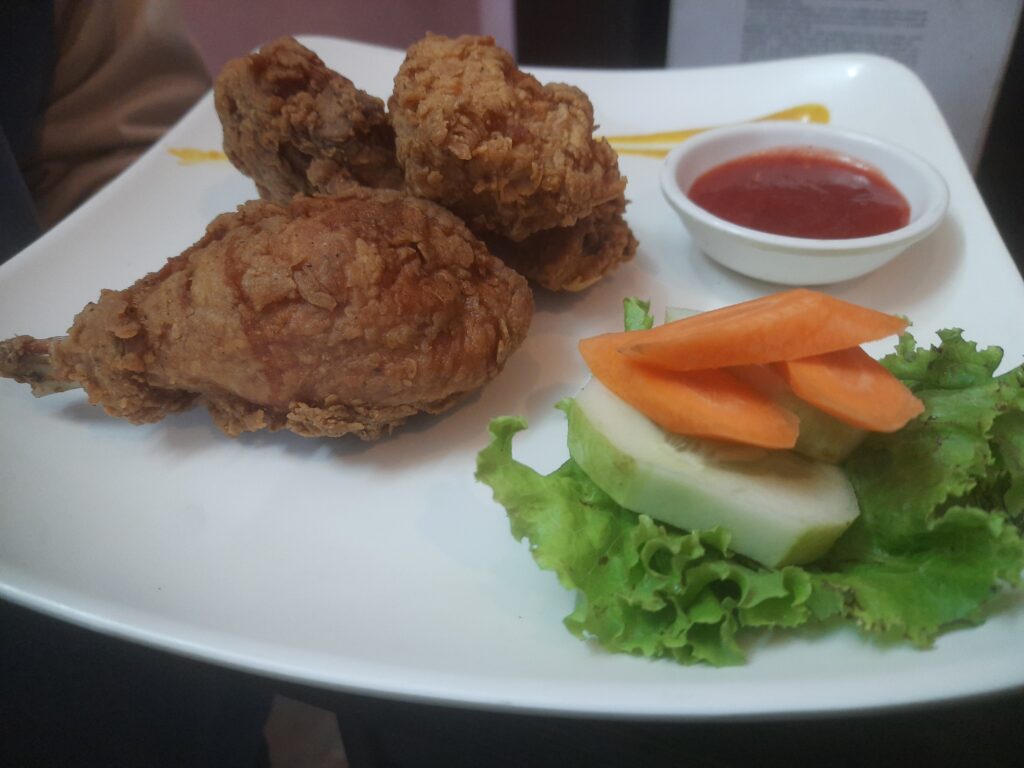
Crispy Coating: Krunchy Fried Chicken is characterized by a crispy and seasoned coating that encases the chicken pieces. The coating is often made using a blend of flour, spices, and sometimes breadcrumbs or cornflakes to achieve the desired level of crunchiness.
Spices and Seasonings: The seasoning used for Krunchy Fried Chicken can vary, but it typically includes a combination of spices like paprika, garlic powder, onion powder, cayenne pepper, salt, and black pepper. These spices give the fried chicken its signature flavor and heat.
Chicken Varieties: Krunchy Fried Chicken can be made with various parts of the chicken, including chicken wings, drumsticks, breasts, thighs, or even boneless chicken tenders. Each part is coated and fried to perfection.
Frying Method: To achieve the crispy texture, the chicken pieces are deep-fried in hot oil until they become golden brown and cooked through. The frying process creates the characteristic crunchiness of Krunchy Fried Chicken.
Accompaniments: Krunchy Fried Chicken is often served with a variety of accompaniments, such as:
- French Fries: Commonly served as a side dish.
- Coleslaw: A cold and creamy cabbage-based salad.
- Biscuits: Soft, buttery biscuits are a popular side item.
- Dipping Sauces: These can include options like ranch dressing, honey mustard, barbecue sauce, or hot sauce for added flavor.
Fast Food Chains: While “Krunchy Fried Chicken” may not be a specific chain itself, it could refer to fried chicken offerings at various fast-food establishments or local eateries. Many fast-food chains and restaurants offer their take on crispy fried chicken, and the term “krunchy” may be used to emphasize the crispy texture.

Homemade Versions: Krunchy Fried Chicken can also be made at home by marinating chicken pieces in a seasoned buttermilk mixture, coating them in the seasoned flour mixture, and frying them until crispy.
The appeal of Krunchy Fried Chicken lies in its satisfying combination of crispy texture, savory seasonings, and juicy chicken. It’s a comfort food enjoyed by many and is often associated with casual dining experiences.